

Stop Letting the Fitting Room Kill Your Conversion. Phygital Personalization As A Retail Strategy.
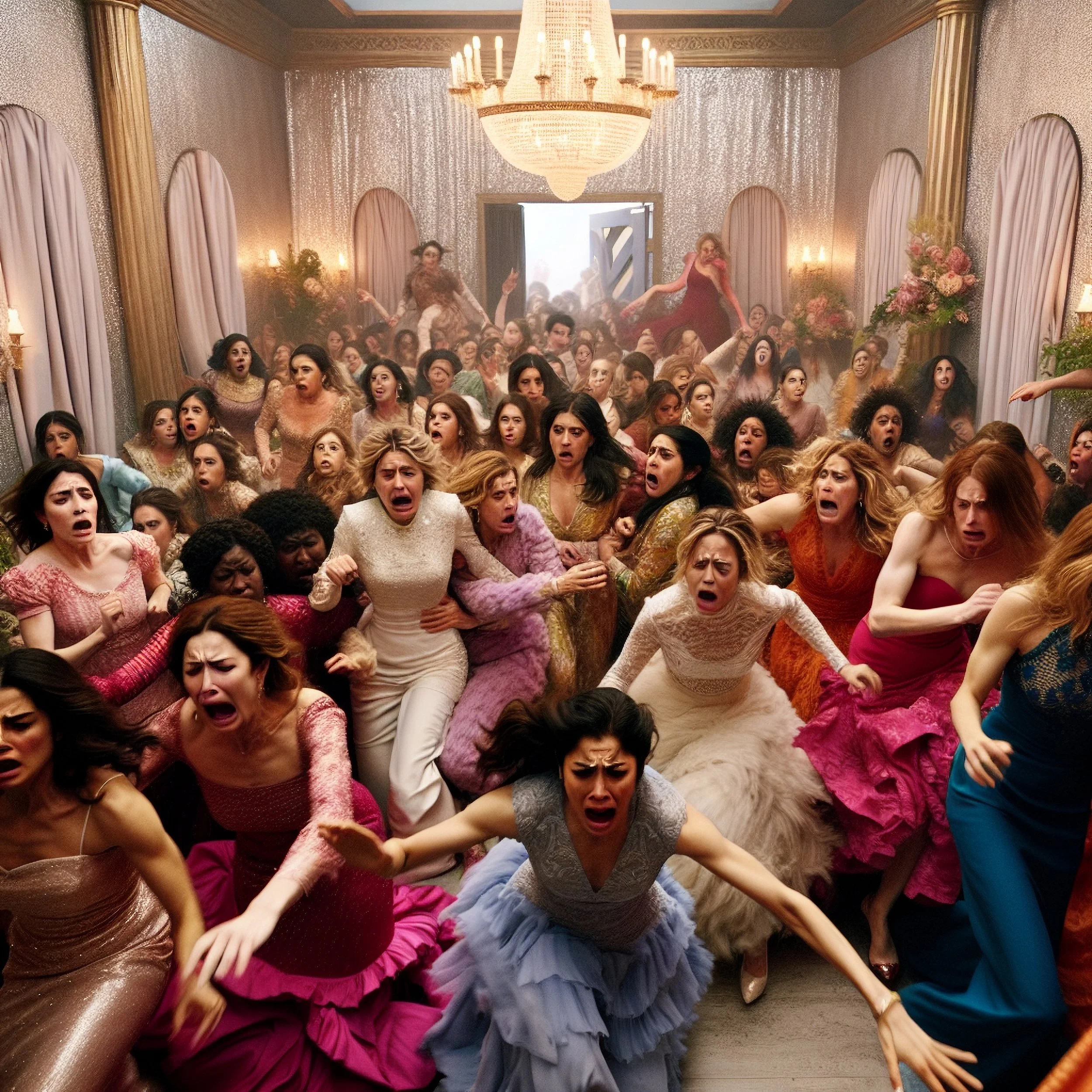
The fitting room is retail's biggest bottleneck. We think about shopping as fun, but for motivated buyers, this is exactly where deals die.
Women aren't in the fitting room to browse—they are 80% sold. Yet, due to trivial friction points (necklines too high, backs too open, missing sleeves), they settle for less or, worse, walk away completely.
For the high try-on volume in fitting rooms, the conversion rate is a fraction of what it should be. Why? Customers are there to shop. Why do we let them leave empty-handed? This is pure, wasted opportunity.
Despite the massive innovation infused in retail and fashion today, brands still continue to struggle to tell their female shopper what she wants to hear most: "I See You. I Hear You. I Feel You."
Instead of letting her search endlessly and pile up garments in confusion, we can utilize current tech resources to eliminate the friction and place her on a straight path to the perfect piece.
Let’s Reimagine the Experience: Phygital Personalization.
Imagine trying on an item that is almost perfect, but the back is too low. Instead of searching, you simply:
Scan the QR code on the tag.
Immerse yourself in a personalized digital showroom.
View on-demand digital variations—the exact same design but with a higher backline or a subtle sleeve addition.
Now, you have directed her straight to closing the sale, making the experience effortless. She feels seen, heard, and loved by the brand.
The Myth of Complexity
Product personalization often feels too daunting to tackle, while the many problems we haven’t sold are seen as a "cost of doing business." The initial set up for product personalization is the one “problem” that will then fix all our current issues.
Personalized products, even for a fraction of a product line, do require an initial lift:
Modular design principles.
Pattern development for interchangeable detail elements.
A factory capable of modular production.
But once figured out, it’s pure profit, conversation, data and loyalty. Digital assets cost a fraction of what brands currently lose on: sample making, markdowns, returns, and overproduction.
The future of fashion demands a balancing of the scales – a slight power shift from brands to the end consumers. We are heading towards the era of individualization, and the faster we figure out how to scale mass customization, the better prepared we will be for what’s coming.
