

Can Custom Ever Be Cool? Modular Design is the Game-Changer Modern Fashion Needs.
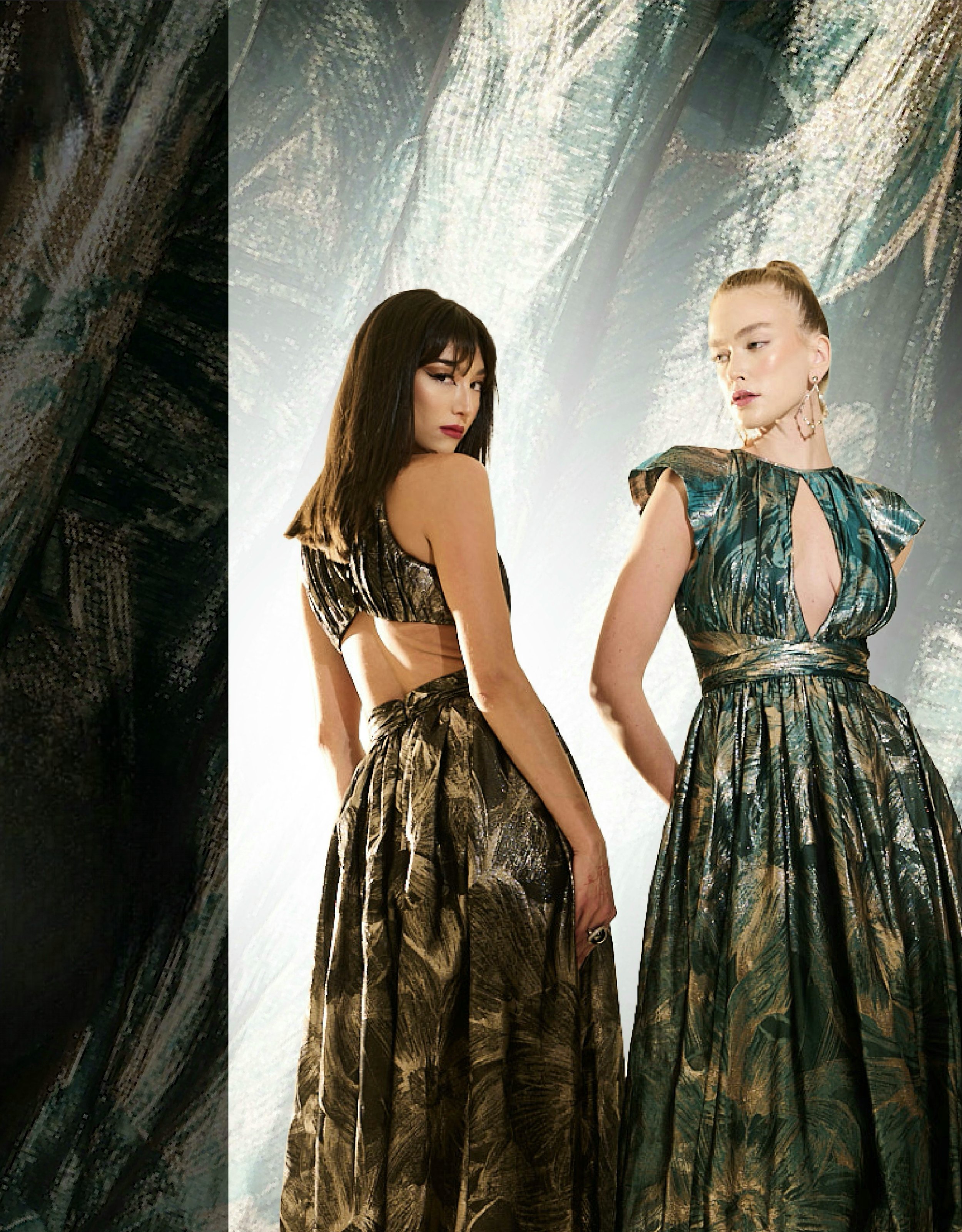
When we think of custom fashion, it often brings to mind rather uninspiring images: the predictable tweed suit, the basic t-shirts configurator, the endless digital color swapping of sneakers, or more than anything, our minds will default to men’s suiting – where custom work is defined by a lapel’s width or pocket and fabric styles. It’s a personalization that results in thousands of variations of the same product. It’s okay, it serves a good purpose, and I love to see it out in the market, but as far as I’m concerned, it’s unsexy and very functional, not artsy, but perfectly suited for male customers. It prioritizes utility over creative vision.
But is this the only way?
Our mission at Fashion Myway is to make custom fashion appealing – specifically for the female customer, the one who looks for functionality without jeopardizing aesthetics. The one who loves the uncompromising, singular artistic vision of her preferred designer, but needs to fill in some details that fit her body to convert from a dedicated admirer into a committed buyer.
Women are different when they shop. They are emotional and deeply self-aware of their bodies; a simple detail – color, slit placement, an opening here or there – can make or break her figure. This is the type of personalized fashion that balances a product-centric approach – where the designer dictates the core product vision and silhouette – with a customer-centric approach – by strategically leaving some final touches so she can make it hers.
This is not diluting modern designs; it’s enhancing their value tremendously. It’s sexy, intimate, creative, and financially abundant.
Strong, modern designs are inherently polarizing; they will speak to a specific audience, not everyone. Trying to please everyone through endless customization options is the fastest route to artistic dilution and mediocrity, which is why modern designers often stay away from it.
But personalization is not about winning the skeptics, it’s about converting more of the ones that already love the design’s core aesthetic.
Custom fashion today asks: “How do I convert everyone?” Modern personalization asks: “How do I convert the ones that are hesitating?”
And you might ask, why the hesitation? Because the sale is never about just the totality of the design; it’s about the details that make a difference. How many times have you waked away from a product you loved but thought: “If it only had some light coverage on the back,” “if it only was in black,” or “If it only didn’t have these long sleeves.”
How to design for conversation?
This means embracing a modular mindset where the designer strategically identifies which components of the garment can be customized without compromising the core structural integrity, silhouette and vision. Think of modular design as creating a limited, curated palette of high-leverage options: different colors, an optional shoulder covering, or an optional slit.
This is not sacrificing a design vision, it amplifies its reach and maximizes its value. It immediately includes those distant admirers who can look at the product and say: “Oh, I can wear this now,” This is about establishing a deep intimate bond between the customer and the product, and as a result, the customer and the brand itself. This creates fierce loyalty and is truly special.
With modular design, custom fashion can be very creative and artistic. The optional details have a further customer reach, not only better selling the core design but enhancing the art even further by playing with elements that, when put together, can really create stunning and surprising final products.
